

Introduction: Big Change Ahead
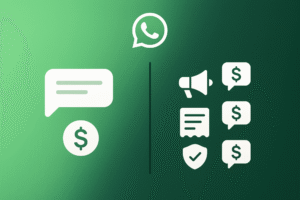
Starting July 1, 2025, WhatsApp is changing how businesses are charged. The old model charged per conversation window (a 24-hour period) but now everything shifts to per-message pricing. That means every template message will be billed individually. This update matters a lot: for cost, how templates are used, and for planning messaging strategies.
What Exactly Is Changing
- From conversation window to per-message: Earlier, if a business sent multiple template messages in one 24-hour window, they were billed once for the window. Now, every template message counts separately.
- Message categories matter more: WhatsApp now clearly divides messages into categories – Marketing, Utility, Authentication, and Service. Each has its own cost. For example, promotional or offer messages (Marketing) will tend to cost more than Utility or Authentication messages.
- Free messaging windows still exist: When a customer sends a message first, a 24-hour service window opens during which free replies and utility templates are possible. Also, Click-to-WhatsApp ads or buttons trigger a longer free entry window of 72 hours in some cases across message types.
- Introduction of volume tiers: Messages sent in large volumes (especially Utility and Authentication categories) can unlock better pricing. That means the more messages in that category in a month, the lower the per-message cost.
What Remains Free
Some messaging stays free or less costly:
- Replies within the 24-hour customer service window are still free. That includes utility and service messages sent in response to user messages.
- Messages initiated through certain free entry points (ads or page buttons) sometimes get a free window.
Why This Matters for Businesses
These pricing updates impact several areas:
- If using WhatsApp for promotions, frequent messaging can suddenly cost more.
- Template messages will need to be reviewed (content, category) to avoid being charged under wrong category.
- Overuse of marketing templates or sending multiple promo messages in short periods can drive up cost.
- Volume tiers favor businesses that send many utility/authentication messages.
How Businesses Can Optimize Messaging Cost
Here are some smart strategies to adapt and save:
- Audit existing templates: Check which templates are marked Marketing, Utility, etc. Remove or adjust ones that risk being mis-classified.
- Limit promotional sends: Don’t send multiple marketing templates to the same user in a short timeframe. Bundle or prioritize.
- Encourage user-initiated messages: Trigger conversations from users (e.g. support, customer queries). Those open free windows.
- Use free entry points: Ads or call-to-action buttons that lead users into WhatsApp can unlock free messaging windows.
- Leverage volume discounts: If many messages are being sent regularly in Utility or Authentication categories, aim for volumes that reduce per-message rates.
- Monitor messaging categories and response times: Keep track: which category messages cost more, what ROI they produce. Use tools or dashboards to see it.
How Zatzat Helps
Using a tool like Zatzat becomes especially useful with these changes:
- Zatzat helps manage templates and automatically categorize messages appropriately, so there’s less risk of being charged too much.
- Zatzat lets businesses automate responses during free windows and schedule/promote messages smartly so cost and reach balance well.
- It helps track how many messages are being sent in each category, helping decide when to tap into volume tiers.
- Zatzat’s dashboard can show cost estimates per campaign, letting businesses plan ahead and avoid surprise bills.
Example: What a Cost Shift Might Look Like
Imagine a small e-commerce store that sends a promo template in the mornings and a reminder later the same day to the same user. Under the old model, those might both fall in one conversation window. With per-message pricing, both are charged individually. If the business also uses utility templates for order updates, those might be cheaper, but still count.
By changing strategy — maybe combining promo and reminder into one message, or sending via free entry point, or sending less often — costs can be kept under control.
Conclusion: Act Early, Plan Smart
The July 1, 2025 pricing update is more than just new billing rules. It’s a signal that WhatsApp wants messaging to be more intentional.
Businesses that understand the message categories, optimize templates, and use tools like Zatzat to manage costs and campaign flow will benefit.
For those who don’t adapt, costs can creep up fast. For others, this change is an opportunity: better targeting, more thoughtful messaging, and stronger customer trust.